Running a quiz when the class shares one screen
Pick an activity built to be read aloud rather than clicked: a gameshow quiz, an open the box, or a spin the wheel. Put it on the board, split the room into teams, and keep score on the whiteboard. Nobody needs a device, an account, or a join code.
One screen is not a limitation
Most classroom quiz tools assume a device per child. That assumption breaks in a room with one projector, a cart of tablets that did not charge, or a school that has decided phones stay in bags.
A whole class quiz on one screen is a different activity, not a worse one. The teacher reads, the room argues, and you hear the reasoning out loud instead of watching a leaderboard. The thing you have to solve is not the technology. It is turn taking and scoring.
Setting it up
- Before the lessonOpen the activity and press play once, so the first click in front of the class is not a loading screen.
- Split the roomRows, tables, or two halves. Fewer, bigger teams are better with one screen, because every team gets more turns.
- Set a ruleHands up, or one nominated speaker per team per round. Without a rule the confident children answer everything.
- Keep scoreOn the whiteboard beside the projector. Two columns, a tally, nothing more.
- Hand over the mouseThe team that answers correctly picks the next box or spins the wheel. It costs nothing and it is the part they remember.
Team sizes and turn rules here are suggestions from classroom practice rather than anything measured. Adjust them to your room.
Activities that work on one screen
These activity types are built to be run by one person at the front. A gameshow quiz and a quiz are read aloud question by question, an open the box lets a team choose, and a spin the wheel picks for you. All made by teachers and published to the Wordwall community.
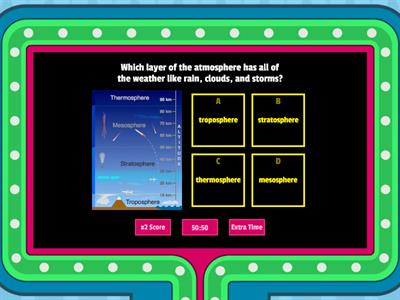


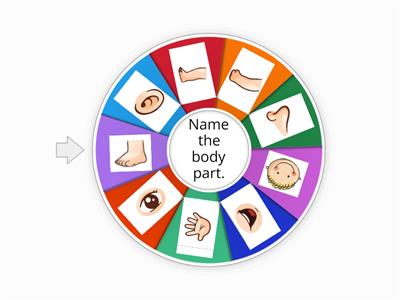

More on the science and social studies tag pages.
Scoring without devices
Tally on the board
Two or three columns, one mark per correct answer. Visible, instant, and nothing to set up or log into.
Let the activity keep score
A gameshow quiz tracks points itself, so you read the question and the screen does the arithmetic.
Print it instead
If the projector fails, the same content prints as a worksheet. Worth having in the drawer.
Frequently asked questions
Do students need accounts or a join code?
No. Run it on the board and the class answers out loud. Codes and accounts only apply when students play on their own devices.
How long should a whole class round take?
Ten to fifteen minutes before attention drops. With one screen the turns are slower, so plan fewer questions than you would for a device each.
What if the projector fails mid lesson?
Read the questions from your own screen and have the class answer in books. It is the same activity with the display removed.
Make one for your next topic
Type in your questions once. The same set runs as a gameshow quiz on the board, or prints for the lesson after.